From Drinks to Friendly Rivalry
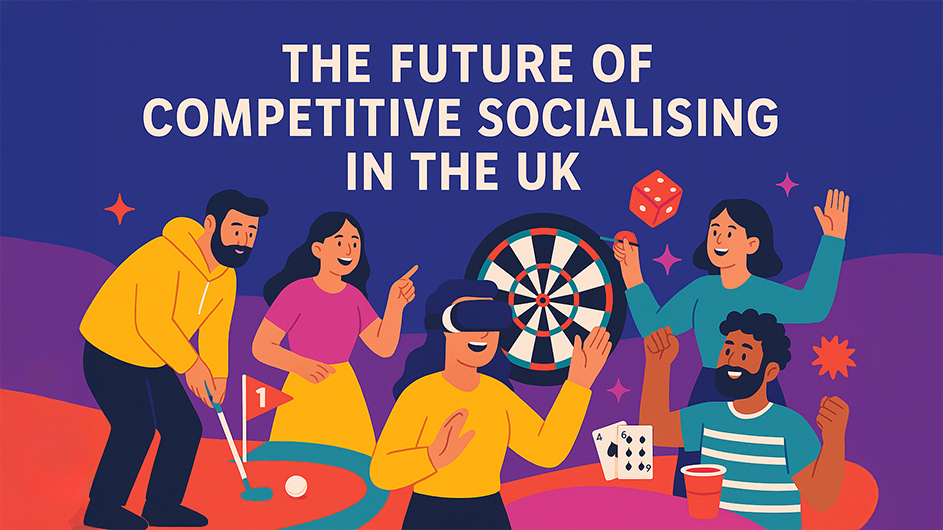
Over the past few years, “competitive socialising” has become one of the biggest shifts in the UK leisure and hospitality sector. What started as a handful of mini golf venues, ping pong bars, and axe throwing arenas has evolved into a full-blown entertainment movement.
Guests no longer want to just sit and have a drink — they want to play, laugh, and share experiences. The blend of casual competition and social atmosphere has proved irresistible, especially among millennials and Gen Z audiences seeking “something different” on nights out.
But what’s next for this booming industry? As we move into 2026 and beyond, operators are reimagining how competition, technology, and social connection come together under one roof.
Let’s take a look at the trends, ideas, and innovations shaping the next generation of competitive socialising.
🎯 Immersive Technology Takes Centre Stage
The next wave of competitive socialising will be defined by technology — not just as a gimmick, but as a way to make gameplay more immersive and interactive.
VR and AR Integration
Virtual and augmented reality are fast becoming mainstream in entertainment venues. Imagine a VR darts experience that blends physical and digital gameplay, or an AR-enabled crazy golf course that changes theme in real time.
Venues like Sandbox VR and Electric Gamebox have already proven how shared digital adventures can feel just as physical and social as traditional games. Expect more hybrid experiences like these to appear across the UK, especially in city centres and large shopping complexes.
Smart Scoring Systems
Gone are the days of pen-and-paper scoring. Automated leader boards, integrated scoring apps, and data-driven performance tracking are standardising across venues. Guests love to see instant results — and share them online.
💬 Tip: If your venue offers digital scoring, make it social. Enable QR codes or automatic sharing to let guests post their results straight to Instagram or TikTok.
🕹️ The Rise of “Active Play” Experiences
After a decade of screen-heavy socialising, people are looking for experiences that get them moving again — without feeling like a workout.
New concepts like shuffleboard lounges, interactive dart zones, and tech-enhanced climbing walls are popping up all over the UK. These are easy-to-learn, quick-to-play games that keep energy levels high and appeal to mixed-age groups.
Emerging Formats to Watch
-
Digital bowling – Modernised with projection mapping and mood lighting.
-
Interactive quiz games – Think “Quiz Boxing” or “Beat the Bar” with a competitive twist.
-
Hybrid escape bars – Shorter, social escape experiences combined with cocktails and live entertainment.
💬 Pro Tip: The key is accessibility. Guests should feel like they can join in after one drink, not after a full tutorial.
🍹 Blurring the Line Between Bar and Attraction
Competitive socialising venues are no longer just “activity-first.” Many of the most successful operators now combine high-quality F&B (food and beverage) offerings with their games to create full-evening experiences.
Venues like Boom Battle Bar and Flight Club have proven that guests will stay longer — and spend more — when the food and drinks match the atmosphere.
What Guests Expect Now
-
Creative cocktail menus themed around the game or brand.
-
Shareable platters designed for groups between rounds.
-
Premium seating areas or VIP booths for teams.
As the trend matures, expect to see more operators hiring hospitality experts from the restaurant and bar industries to raise standards across service and presentation.
🌍 Localisation and Theming
Guests crave novelty. While the activities might be similar from venue to venue, the most successful brands in 2026–2027 will stand out through creative theming and local relevance.
Think of immersive stories tied to each location — a pirate-themed darts venue in coastal towns, or a “street-style” mini golf course in urban settings.
Localisation is also key. Building community ties through regional branding, local suppliers, and events will help venues build loyalty and repeat visits.
💬 Pro Tip: Partner with nearby breweries, distilleries, or local food brands to give your venue a unique flavour that reflects its surroundings.
🧩 The Shift Toward Group and Corporate Bookings
As remote and hybrid work continue, companies are investing more in group activities and team-building experiences.
Venues that offer flexible corporate packages — combining gameplay, private space, and catering — are seeing steady midweek business.
How to Capitalise
-
Offer “Team Challenge” packages with scoreboard branding for companies.
-
Create custom experiences (e.g., company trivia rounds or themed games).
-
Promote loyalty or subscription options for regular corporate clients.
💬 Tip: Use quiet weekday slots to attract group bookings and boost off-peak revenue.
🧠 Data and Personalisation
In 2026, the venues that succeed won’t just entertain — they’ll understand their customers.
Data from booking systems, email campaigns, and gameplay apps allows operators to tailor experiences in a way that feels personal. For example, if a guest frequently books shuffleboard, you can email them a “bring a friend” offer or invite them to a tournament night.
The more personal the communication, the higher the conversion rate — and the stronger the brand loyalty.
🌱 Sustainability as a Selling Point
Guests, particularly Gen Z, are increasingly conscious of environmental impact.
Eco-friendly materials, local suppliers, and carbon-conscious operations are not only ethical but also marketable. Venues are finding creative ways to promote sustainability — from recycled set designs to digital receipts and paperless menus.
💬 Example: Some venues now plant a tree for every 100 bookings made — small touches like this reinforce a brand’s social values.
🔮 What’s Next: Future Concepts on the Horizon
The next two years are likely to see more innovation and crossover between technology, physical play, and immersive storytelling.
Predicted Future Trends
-
AI-enhanced games that adapt difficulty based on player performance.
-
Mixed-reality arenas combining VR, projection mapping, and physical movement.
-
Franchise opportunities for established brands to expand nationwide.
-
Micro-attractions — smaller footprint games for pubs, retail units, or co-working spaces.
The biggest opportunity will be for operators who blend experience, technology, and community — creating spaces where guests can both compete and connect.
Conclusion: Competitive Socialising Is Only Getting Started
Competitive socialising has reshaped the UK leisure landscape, and it’s not slowing down any time soon.
The future belongs to operators who can innovate beyond traditional activities, combining gameplay with exceptional hospitality and memorable branding. Whether through technology, local partnerships, or smarter data use, the next generation of venues will focus on depth of experience — not just novelty.
For operators, that means one thing: don’t just give guests something to play. Give them something to talk about, share, and come back to.
At LeisureBoost, we help venues and entertainment brands evolve with the market through smart digital marketing, creative design, and strategy that drives bookings year-round.