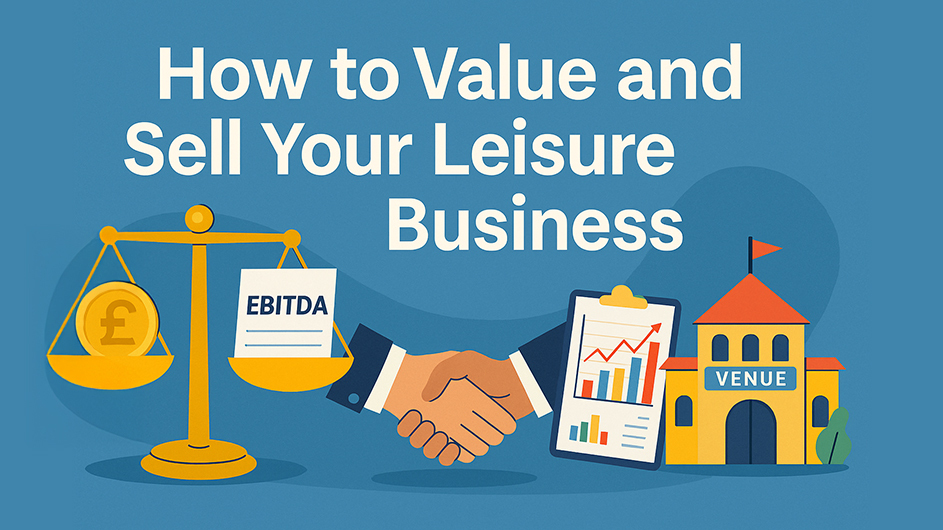
Introduction: Turning Years of Hard Work into a Valuable Exit
Whether you’re ready to retire, shift focus, or reinvest in a new project, selling your leisure business is one of the biggest financial and emotional decisions you’ll ever make.
The leisure industry — from Laser Quest and soft play to mini golf, VR attractions, and escape rooms — can be highly profitable, but buyers look for more than fun and atmosphere. They want predictable earnings, clean financials, and operational stability.
So how do you make sure your business is valued fairly — and sold successfully?
This guide breaks down everything you need to know: EBITDA, goodwill, valuation methods, preparation tips, and how to negotiate a sale that reflects your true worth.
🧾 Start with the Basics: What Is Your Business Worth?
The value of a leisure business is based on two main components:
-
Tangible assets — the physical items you own (equipment, furniture, fixtures, stock).
-
Intangible assets (goodwill) — the brand reputation, loyal customers, staff expertise, and proven earning potential.
Together, they form what’s called the Enterprise Value — essentially, the amount a buyer would pay to acquire your business as a going concern.
💼 Understanding EBITDA — the Core of Business Valuation
One of the most common methods used to value leisure businesses is based on EBITDA — Earnings Before Interest, Taxes, Depreciation, and Amortisation.
In simple terms, EBITDA reflects the underlying profitability of your venue, before one-off or non-operational costs are considered.
Example:
If your net profit is £70,000 per year, but you also:
-
Pay yourself a £30,000 salary,
-
Have £10,000 in one-off refurbishment costs,
Your adjusted EBITDA might be around £110,000 — a more accurate representation of the business’s true earning potential.
Typical leisure sector multiples:
-
2–4× EBITDA – small independent venues.
-
4–6× EBITDA – well-established, multi-site operators or strong brands.
💬 Example: If your adjusted EBITDA is £100,000 and you achieve a 4× multiple, your business could sell for around £400,000.
🤝 The Role of Goodwill in Your Valuation
Goodwill represents the “non-physical” value of your business — the emotional and commercial connection between your brand and its customers.
In leisure, goodwill can often make up a significant portion of your total valuation.
It includes:
-
Brand recognition and reputation.
-
Customer database and loyalty.
-
Staff training and operational systems.
-
Online reviews and ratings.
-
Lease terms (a good location or rent-free period can add serious value).
💬 Tip: If your Google rating is 4.8★, your social media pages are active, and your customer base is loyal, your goodwill value increases — because a buyer sees a stable, trusted brand.
📈 Preparing Financials That Inspire Confidence
No matter how exciting your venue is, if your accounts are unclear or inconsistent, you’ll lose buyer confidence fast.
You’ll need:
-
3 years of financial statements (profit and loss, balance sheet, cash flow).
-
Management accounts (recent data if your last filed accounts are out of date).
-
Breakdown of income streams — e.g. walk-ins, parties, F&B, merchandise.
-
List of business debts or leases.
Buyers want to see stable or upward-trending performance — so ensure your books are clean, transparent, and verifiable.
💬 Pro Tip: Work with your accountant to prepare a “normalised EBITDA statement” showing adjusted earnings after adding back personal or one-off expenses. It helps buyers see the real value behind the numbers.
🧹 Operational Preparation: Make It Turnkey
Buyers love businesses that can run smoothly without heavy involvement.
Before selling, make your operation as turnkey as possible — meaning someone can take over tomorrow and continue successfully.
This might include:
-
Detailed staff training manuals and standard operating procedures.
-
Updated supplier contracts and contact details.
-
Robust maintenance schedules and service agreements.
-
An established marketing system (ads, newsletters, booking software).
💬 Tip: If you can show that your business runs efficiently — with minimal owner input — you’ll attract more buyers and command a higher multiple.
🏢 Lease Terms: The Unsung Hero of a Sale
Your lease is a major part of your business value. Buyers (and their lenders) will scrutinise it carefully.
Strong lease terms make a sale easier and increase the price.
Look for:
-
At least 5–10 years remaining on the lease.
-
Tenant-only break clauses or renewal rights (1954 Act protection).
-
Reasonable service charges and rent reviews.
-
Landlord consent for lease assignment.
💬 Pro Tip: If your lease expires soon or has difficult clauses, renegotiate before listing the business — it’ll make the deal far smoother.
💰 Finding the Right Buyer
There are several types of buyers for leisure businesses:
-
Trade buyers: existing operators looking to expand.
-
Private investors: individuals seeking passive income.
-
Franchise groups: looking for established brands to replicate.
-
New entrepreneurs: drawn to the lifestyle and flexibility of leisure.
You can market your business through:
-
Specialist brokers (e.g. Christie & Co, Intelligent Business Partners).
-
Private networks and investor groups.
-
Industry contacts and franchise platforms.
💬 Tip: Use NDAs (non-disclosure agreements) to protect your financial and operational data when speaking with potential buyers.
📊 Negotiating and Structuring the Sale
Once you have an offer, structure matters as much as price.
You might see offers based on:
-
Full cash purchase.
-
Deferred payments (buyer pays in instalments).
-
Earn-outs (future payments tied to performance).
-
Asset sale vs. share sale.
💬 Pro Tip: A share sale (selling the company itself) can be tax-efficient, but an asset sale (selling only the venue’s assets) can simplify legalities. Always discuss with your accountant and solicitor.
🧾 Taxes, Fees & Legal Steps
Selling a business involves several professional costs:
-
Solicitor fees: £2,000–£5,000+ depending on complexity.
-
Accountant fees: for preparing sale documents and tax advice.
-
Broker commission: typically 2–5% of the sale price.
In many cases, you may qualify for Business Asset Disposal Relief (BADR), reducing your Capital Gains Tax to just 10% on qualifying gains.
💬 Tip: Plan ahead — get your accounts in order and consult your accountant early to ensure the sale is structured as tax-efficiently as possible.
🏁 Handover: Protecting Your Legacy
Once the deal is agreed, the final phase is the handover period — ensuring the new owner can step in confidently.
Provide:
-
Access to systems and passwords.
-
Supplier introductions.
-
Operational training or shadowing.
A smooth handover benefits both parties — it reassures the buyer and reinforces your reputation as a professional operator.
Conclusion: Your Next Chapter Begins Here
Selling your leisure business isn’t just about profit — it’s about legacy.
By preparing your financials, strengthening your operations, and understanding your true value, you can secure a sale that rewards your hard work and sets your brand up for continued success.
At LeisureBoost, we work with operators across the UK to grow, optimise, and prepare their venues for sale — from marketing strategies to financial presentation and brand positioning.
Thinking about selling your venue? Let’s make sure you get the value you deserve.