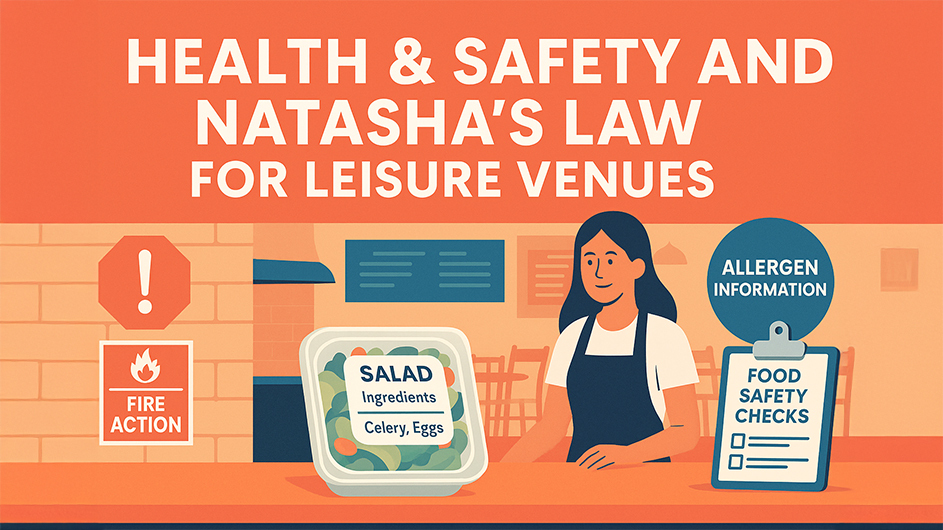
Introduction: Safe Service is Smart Business
When guests visit your venue, they expect fun, quality, and safety in equal measure. Whether you’re serving pizza in your party room, snacks from your café, or pre-packaged treats at reception, getting your health and safety right isn’t just about avoiding fines — it’s about protecting your customers and your reputation.
Many leisure venues underestimate how closely food service is linked to compliance. If you handle or sell any kind of food, you’re legally responsible for its safety and accurate labelling.
Let’s take a closer look at the key areas you need to understand, from health and safety basics to Natasha’s Law, and how to make compliance part of your daily routine.
🧼 Health and Safety: The Foundation of Every Operation
Good health and safety management is about creating a culture where everyone takes responsibility for keeping guests and staff safe.
The Legal Basics
Under the Health and Safety at Work etc. Act 1974, all employers must ensure the health, safety, and welfare of employees and the public. This includes risk assessments, staff training, and safe working practices.
Risk Assessments
Every leisure venue should have up-to-date risk assessments for:
-
Slips, trips, and falls
-
Electrical and fire safety
-
Food handling and storage
-
Manual handling (e.g. stock deliveries)
-
Chemicals and cleaning materials (COSHH regulations)
Risk assessments must be reviewed regularly, especially after any incidents or operational changes.
💬 Tip: Keep them short and practical. Identify the hazard, assess the risk, and record what you’re doing to control it.
🧑🍳 Food Hygiene Regulations for Leisure Venues
If your venue sells or serves food, you must comply with the Food Safety Act 1990 and Food Hygiene (England) Regulations 2013 (or regional equivalents).
Key Requirements
-
Food Safety Management System (HACCP): You must have written procedures identifying risks and controls in your food handling process.
-
Staff Training: Everyone handling food should have basic food hygiene training.
-
Cleanliness: All food preparation and service areas must be regularly cleaned and sanitised.
-
Storage: Chilled foods should be kept below 8°C and dry goods in clean, pest-free storage.
-
Cross-contamination prevention: Separate raw and cooked foods and use colour-coded chopping boards.
💬 Pro Tip: Keep temperature logs, cleaning schedules, and allergen charts accessible and signed off daily. They show you’re compliant — and they’ll impress Environmental Health Officers.
🧾 Understanding Natasha’s Law
Natasha’s Law came into force in October 2021 following the tragic death of teenager Natasha Ednan-Laperouse, who suffered a fatal allergic reaction to unlabelled sesame seeds in a pre-packed baguette.
This law has reshaped food labelling requirements across the UK, especially for small operators who package food on-site.
What Natasha’s Law Requires
If you sell Prepacked for Direct Sale (PPDS) food — that is, food packaged on your premises and ready for sale — you must clearly label it with:
-
The name of the food
-
A full list of ingredients
-
Allergens highlighted (in bold, underlined, or capital letters)
Common examples of PPDS food in leisure venues include:
-
Sandwiches or toasties prepared in your café and wrapped for display
-
Pre-boxed children’s lunch packs
-
Pre-cut fruit cups or baked goods
💬 Tip: Even small snacks like cookies or brownies count as PPDS if they’re packaged before being ordered.
⚠️ The 14 Major Allergens You Must Know
There are 14 allergens that must always be declared by law:
-
Celery
-
Cereals containing gluten (wheat, rye, barley, oats)
-
Crustaceans
-
Eggs
-
Fish
-
Lupin
-
Milk
-
Molluscs
-
Mustard
-
Nuts
-
Peanuts
-
Sesame seeds
-
Soya
-
Sulphur dioxide (preservative in dried fruit and wine)
💬 Pro Tip: Display a clear Allergen Notice in your café or food area stating: “Please speak to a member of staff about food allergies before placing your order.”
This ensures customers with allergies have the chance to ask questions — and shows regulators you’re taking precautions seriously.
🧾 Record Keeping and Documentation
Paperwork may not be exciting, but it’s essential for compliance.
What to Keep On File
-
Food supplier invoices and delivery logs
-
Temperature records
-
Cleaning checklists
-
Staff training certificates
-
Allergen charts and ingredient labels
-
Incident reports (if a customer reports illness or a reaction)
💬 Tip: Keep your records for at least 12 months, either digitally or in a hard-copy binder. A quick reference file at the till or kitchen area helps if Environmental Health pays a visit.
👩🏫 Training Your Team: Everyone’s Responsibility
Your staff are your front line when it comes to compliance. They’re the ones serving food, answering allergy questions, and managing guests — so training is crucial.
Essential Training Areas
-
Basic Food Hygiene (Level 2 or higher) for anyone handling or serving food
-
Allergen Awareness Training
-
Health and Safety Awareness for all staff
-
Fire Safety and Evacuation Procedures
-
Manual Handling and COSHH where relevant
💬 Pro Tip: Refresh training every 12–18 months and keep certificates on record. A quick reminder before busy weekends helps keep standards consistent.
🔍 Regular Audits and Inspections
Even the best-run venues can slip over time. Schedule internal audits every few months to make sure standards stay high.
Check:
-
Is the allergen information up to date?
-
Are cleaning logs being filled in daily?
-
Have staff replaced missing labels or signs?
-
Are temperature checks still happening every shift?
💬 Tip: Make audits part of your manager’s responsibilities. A short weekly walk-through using a printed checklist is often enough to catch small problems before they become big ones.
🧃 Creating a Safe and Trustworthy Experience
Health and safety shouldn’t feel like a burden. When done right, it gives guests confidence in your brand.
A venue that feels clean, organised, and professional earns better reviews, more repeat visits, and fewer complaints.
Guests notice details — clear allergy signage, clean tables, friendly staff who know what’s in the food. These small touches make your business feel trustworthy and well-run.
💬 Final Tip: Review your policies annually. Update training and signage as legislation changes. Staying proactive shows regulators and guests alike that you take your responsibilities seriously.
Conclusion: Safety is Part of the Experience
Leisure and hospitality venues are built around enjoyment, but safety is what keeps guests coming back.
From fire checks and cleaning logs to allergen management and Natasha’s Law compliance, consistency is key. Clear processes protect your guests, your staff, and your business reputation — and that’s something worth investing in; because when your venue runs safely, everything else runs smoother too.