Introduction: Leadership Beyond the Front Line
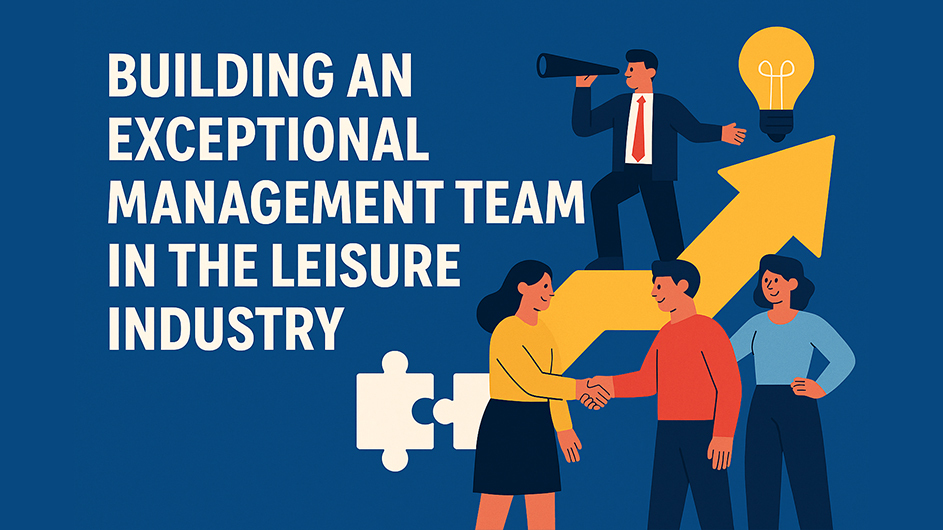
As leisure businesses grow — from one successful site to multiple locations — the difference between chaos and consistency often comes down to one thing: your management team.
Building a strong leadership structure isn’t just about hiring experienced people. It’s about creating a culture of accountability, empowerment, and clarity that runs from top to bottom.
Whether you operate a laser tag arena, indoor golf course, or family entertainment centre, your management team becomes the engine that keeps every site running smoothly — especially when you can’t be in ten places at once.
This guide explores how to structure your management hierarchy, train your team effectively, and delegate responsibilities without losing control.
👍 The Core Roles in a Strong Leisure Management
A well-structured leisure management team ensures every site runs efficiently, safely, and profitably — while maintaining the same guest experience across locations.
Here’s a typical hierarchy for multi-site operators:
Operations Director / Area Manager
Oversees multiple venues and ensures consistency across all sites.
Key duties include:
-
Driving company-wide performance and profitability
-
Maintaining operational standards
-
Supporting and mentoring Site Managers
-
Managing supplier relationships
-
Implementing strategic goals from head office
Site Manager / General Manager
The “captain” of each site — accountable for performance, staff morale, and guest experience.
Responsibilities:
-
Managing staff rotas and performance reviews
-
Monitoring KPIs (sales, bookings, reviews, costs)
-
Overseeing safety and compliance
-
Handling customer issues and complaints
-
Reporting to Operations or Directors weekly
Assistant / Duty Managers
Support the Site Manager and ensure seamless operation across shifts.
Their focus is day-to-day management:
-
Opening/closing procedures
-
Staff motivation and supervision
-
Inventory checks and stock control
-
Guest experience delivery
-
Acting as the manager in their absence
Marketing / Events Coordinator (Central or Shared Role)
Responsible for local promotions, partnerships, and events across multiple sites.
Tasks might include:
-
Social media management
-
Local partnerships and PR
-
Party package marketing
-
Email campaigns and loyalty programmes
Finance / Admin Support
Even if outsourced, a finance function is vital.
They:
-
Manage payroll and invoices
-
Track cashflow and budgets
-
Analyse revenue performance
-
Support reporting for investors or directors
💡 Tip: For growing operators, hire multi-talented managers — people who thrive under pressure, enjoy variety, and can adapt as the business evolves.
🎯 Defining Roles and Responsibilities Clearly
One of the biggest mistakes multi-site operators make is allowing role overlap — when too many people are accountable for the same task (or worse, no one is).
To avoid confusion:
-
Write clear job descriptions for each role.
-
Use organisational charts to show who reports to whom.
-
Define KPIs for every role — e.g. revenue targets, review ratings, or event conversions.
💬 Example: A Site Manager might be accountable for hitting 4.5★+ Google review scores, while Duty Managers focus on compliance and guest satisfaction surveys.
When responsibilities are clearly defined, delegation becomes easier and accountability follows naturally.
🧩 Recruiting the Right Managers for the Leisure Sector
Experience helps — but personality, energy, and alignment with your brand culture matter more.
When hiring, look for:
-
Emotional intelligence – calm under pressure and empathetic with both staff and guests.
-
Commercial awareness – able to manage costs and drive revenue.
-
Leadership charisma – someone others want to follow.
-
Operational reliability – attention to detail, safety, and systems.
💬 Pro Tip: Hire for attitude, train for skill. A motivated, values-driven manager with the right support will outperform a disengaged “industry veteran.”
🧑🏫 Training & Development: Building Leaders from Within
Your best future managers might already be working for you.
Invest in structured training programmes that cover:
-
Guest experience & service recovery
-
Health and safety / compliance
-
Conflict resolution & leadership communication
-
Basic HR management (disciplinary, appraisals, rota planning)
- Financial literacy – understanding margins, wage %, and KPIs
Internal leadership programmes can include:
-
Monthly training workshops
-
Peer-to-peer mentoring
-
Cross-site secondments for exposure to new challenges
-
Online learning modules or gamified training apps
💬 Tip: Create a “pathway to management” so ambitious team members see a future with your company — this builds loyalty and reduces turnover.
⚖️ Delegation Strategies That Actually Work
Delegation isn’t about handing over tasks — it’s about handing over ownership.
A strong operator knows how to empower managers without losing oversight.
Try these strategies:
-
Set clear expectations – define what success looks like.
-
Give authority with accountability – trust them to make decisions, but track KPIs.
-
Use regular check-ins – weekly operations calls, not daily micromanagement.
-
Document processes – staff handbooks, checklists, and SOPs keep standards consistent.
-
Reward initiative – celebrate managers who innovate and improve systems.
💬 Pro Tip: Avoid being the bottleneck. When every decision requires your approval, your business can’t scale.
💬 Communication Across Multiple Venues
As soon as you expand beyond one site, communication becomes your biggest challenge.
To stay connected:
-
Use centralised communication tools (Slack, Teams, or WhatsApp Groups).
-
Hold monthly in-person meetings or team socials.
-
Send out weekly business updates – keep everyone aligned.
-
Encourage two-way communication – ask for feedback and ideas from the floor.
When your team feels heard, they’ll take greater ownership and pride in their sites.
📊 Tracking Performance: Turning Data Into Management Insight
Your managers need data to make informed decisions — not just gut instinct.
Set up dashboards that track:
-
Weekly revenue by category (walk-ins, parties, groups)
-
Staff cost % vs revenue
-
Google review averages
-
Party booking conversions
-
Off-peak occupancy
Encourage your managers to own their numbers — understanding performance builds commercial thinking and pride in results.
💼 Retaining Great Managers
Once you’ve built a solid team, keeping them is just as important as finding them.
Retain your best people by:
-
Offering clear career progression
-
Giving profit-share or performance bonuses
-
Encouraging training and event attendance
-
Creating a positive workplace culture
-
Recognising and rewarding great leadership publicly
💬 Tip: Great managers often leave when they feel unheard or stagnant — not because of money. Keep them engaged, respected, and growing.
Conclusion: Leadership Scales, Micromanagement Doesn’t
To scale from a single venue to a national brand, you need systems and people you can trust.
Building an exceptional management team means defining structure, empowering leaders, and maintaining open communication between head office and every site.
Get that right — and you’ll create a brand that’s not only consistent and profitable but genuinely enjoyable to work for.